01
Air and soil sensors, without mixing the readings
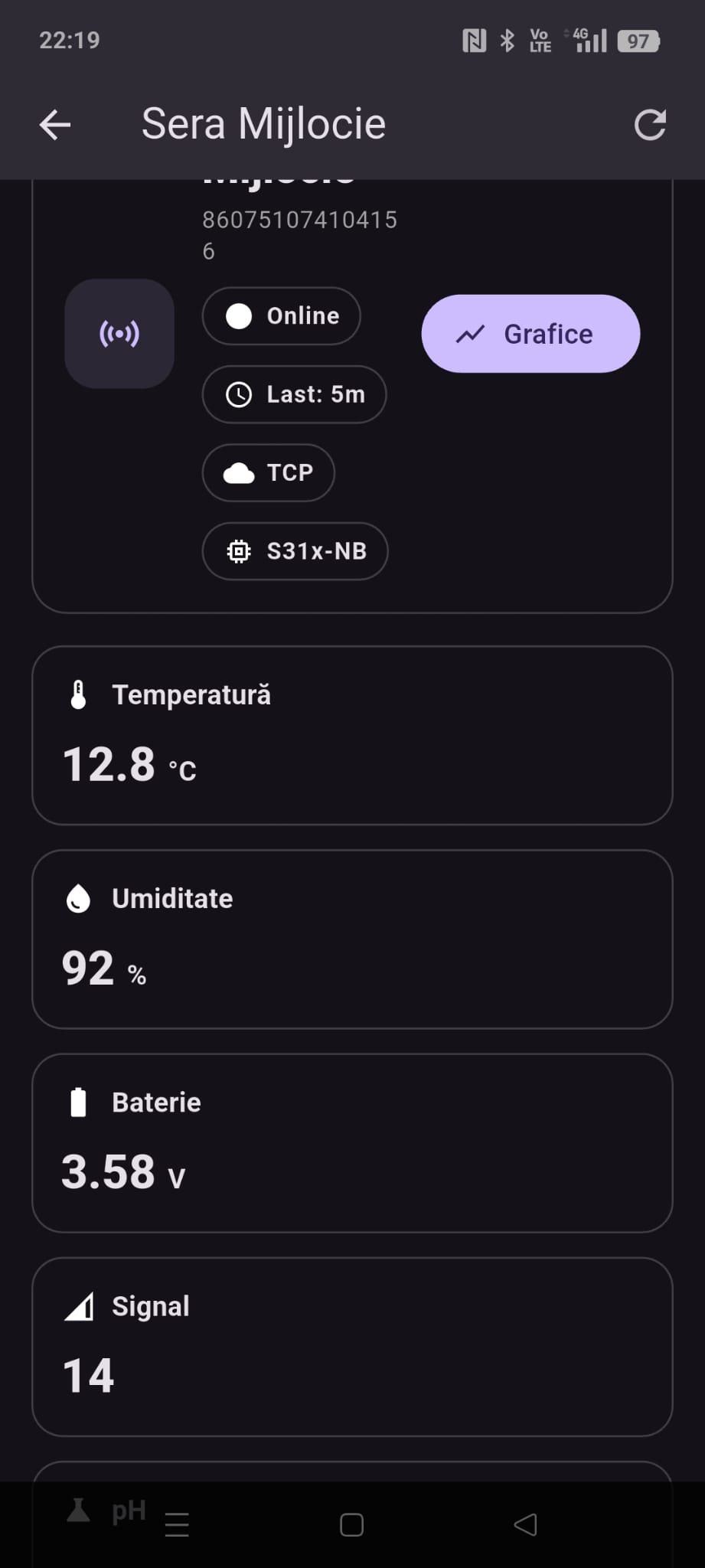
Each device only shows what it truly reports: air temperature and RH for atmospheric sensors, EC, pH, soil temperature, and soil moisture for root-zone probes.
GrowGuard connects real-world sensors, live sensor map, crop intelligence, forecast, AI-explained phytosanitary alerts, AI Plant ID, production cost calculation, dilution calculation and horticultural tools, TTN API import, invited team members, and admin-controlled menus into one operating layer for floriculture, vegetables, orchards, and viticulture. For new sensors, AI can also help detect useful values inside TTN, MQTT, LoRaWAN, or NB-IoT payloads, with user validation before saving.
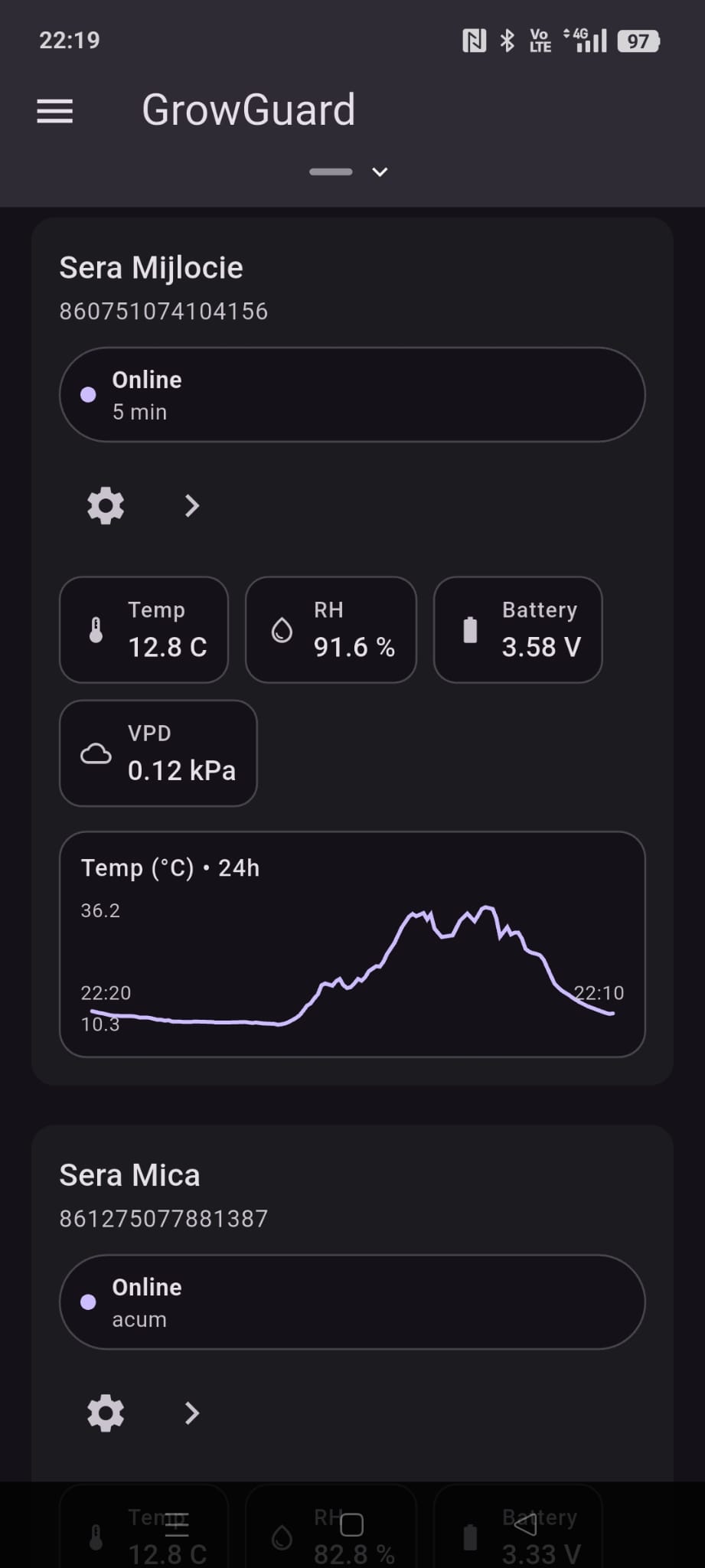
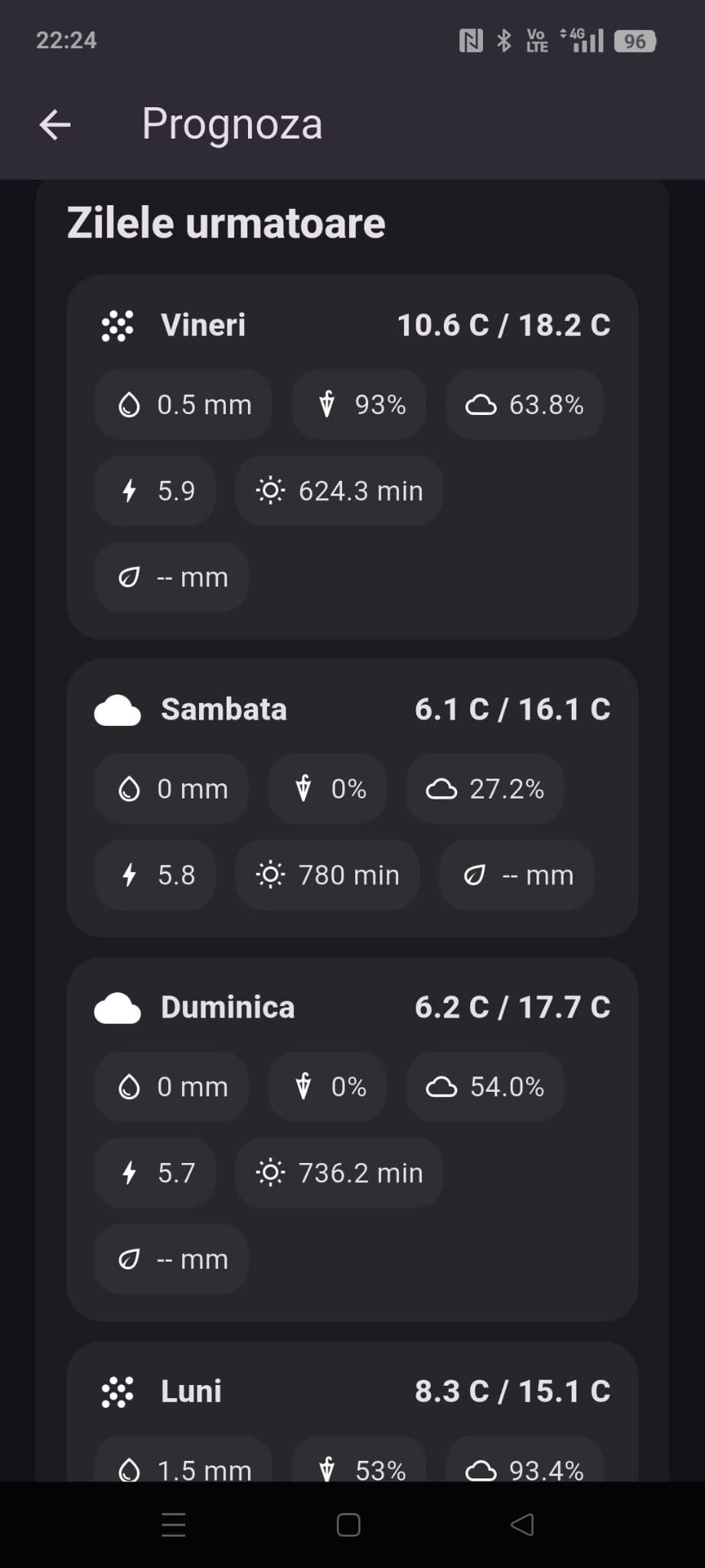
Live monitoring, sensor map, per-device alerts, forecast, Excel export, history, team access, and per-user menus.
GrowGuard is not just another dashboard. It connects field and greenhouse sensors with forecast, sound-enabled alerts, AI explanations, phytosanitary intelligence, and team administration.
Each device only shows what it truly reports: air temperature and RH for atmospheric sensors, EC, pH, soil temperature, and soil moisture for root-zone probes.
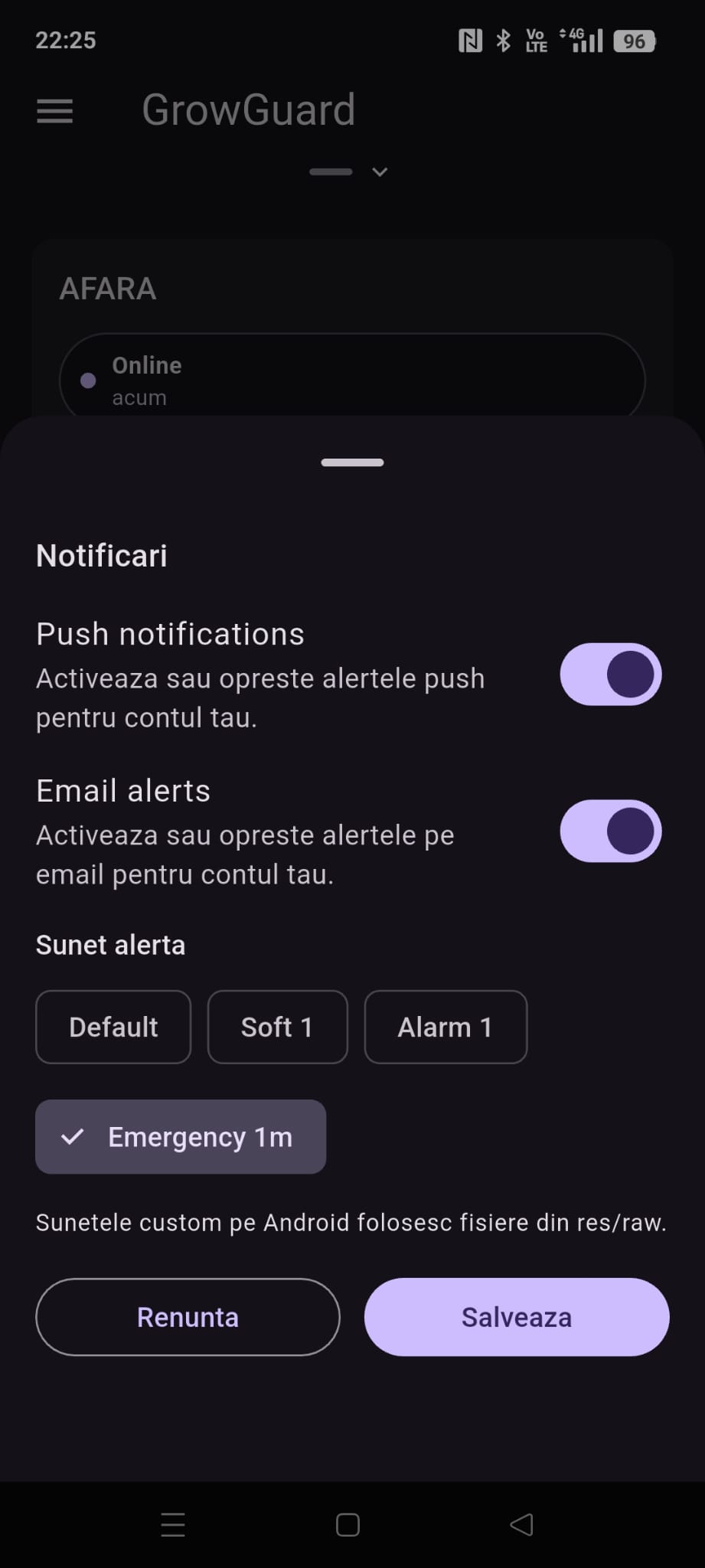
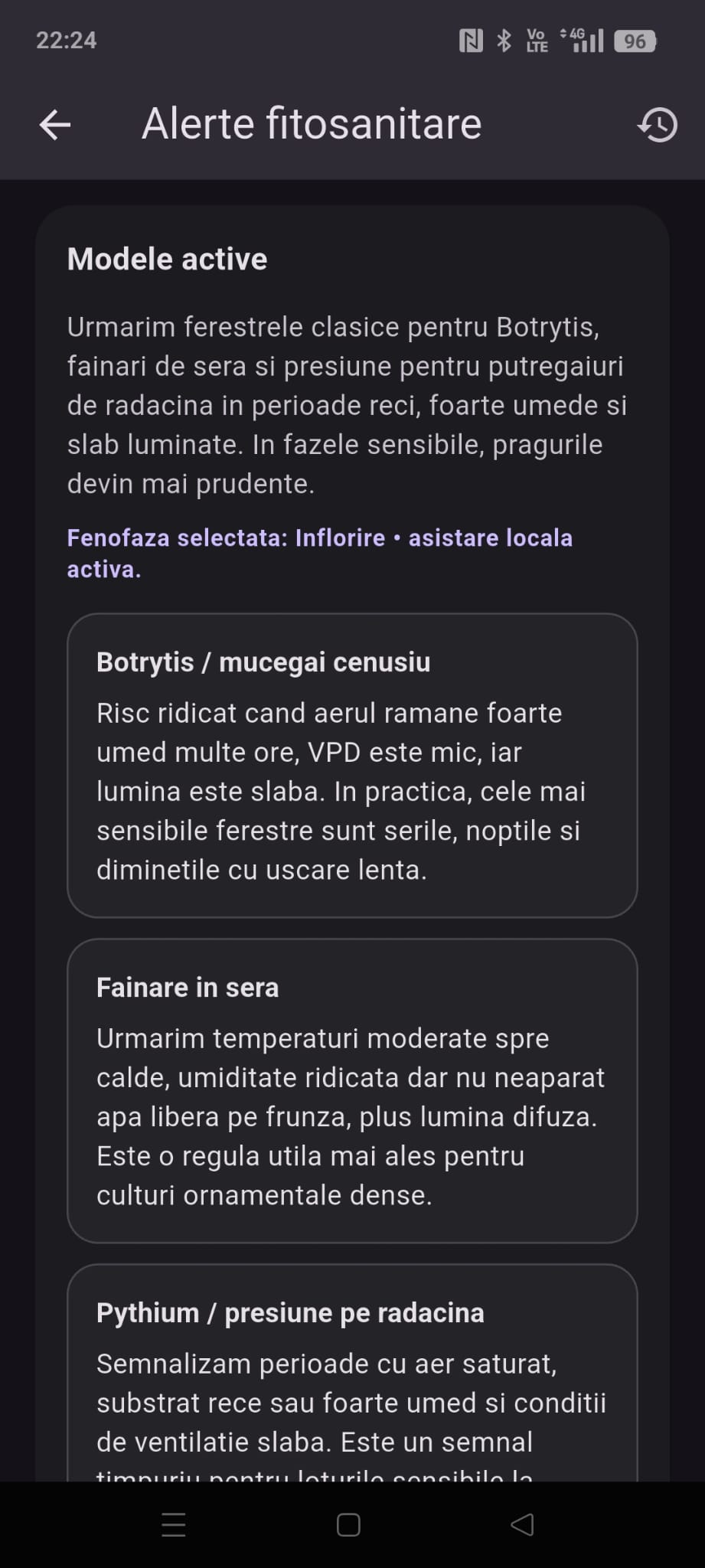
Device thresholds, phytosanitary events, and offline states can trigger notifications with custom sounds. For disease-risk alerts, AI can explain the contributing factors: forecast, humidity, temperature, crop profile, and local sensors.
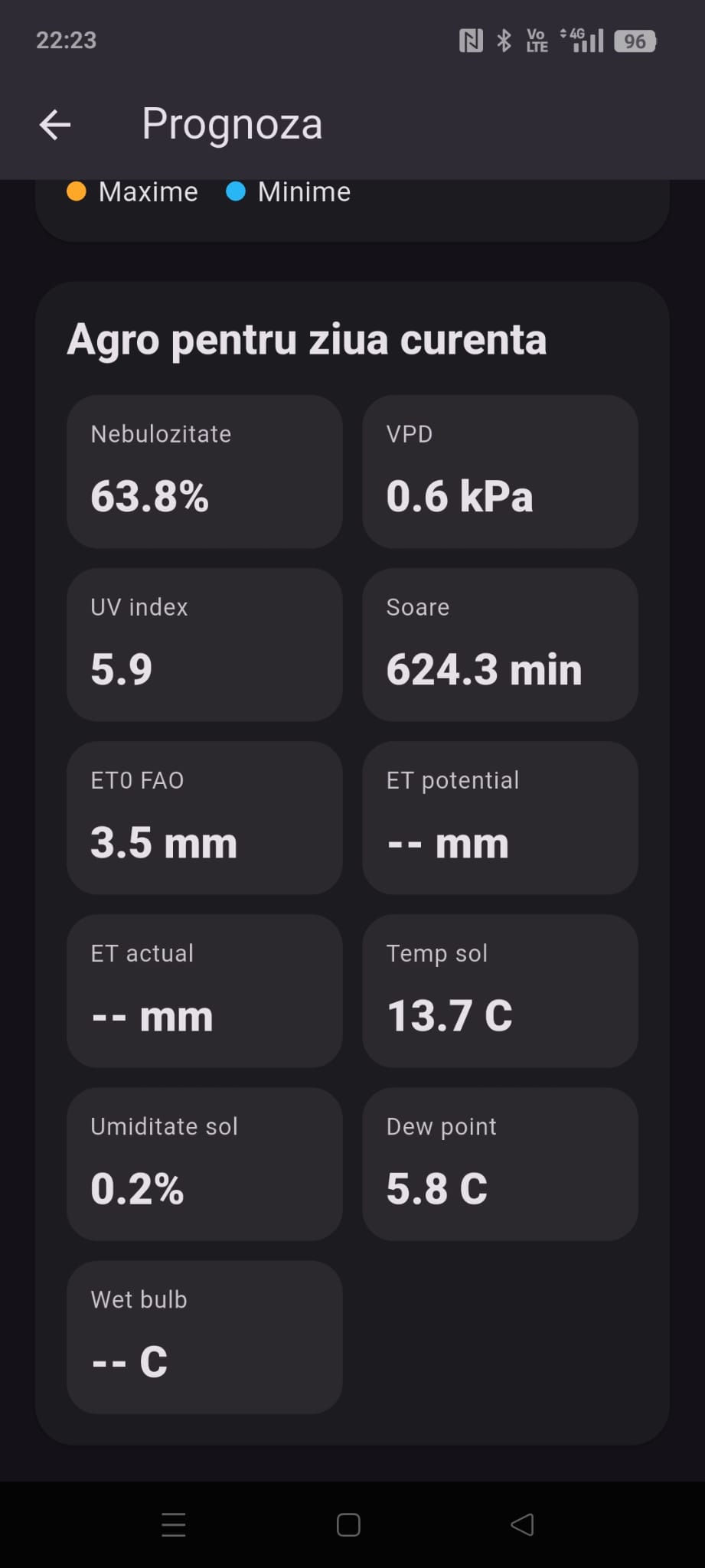
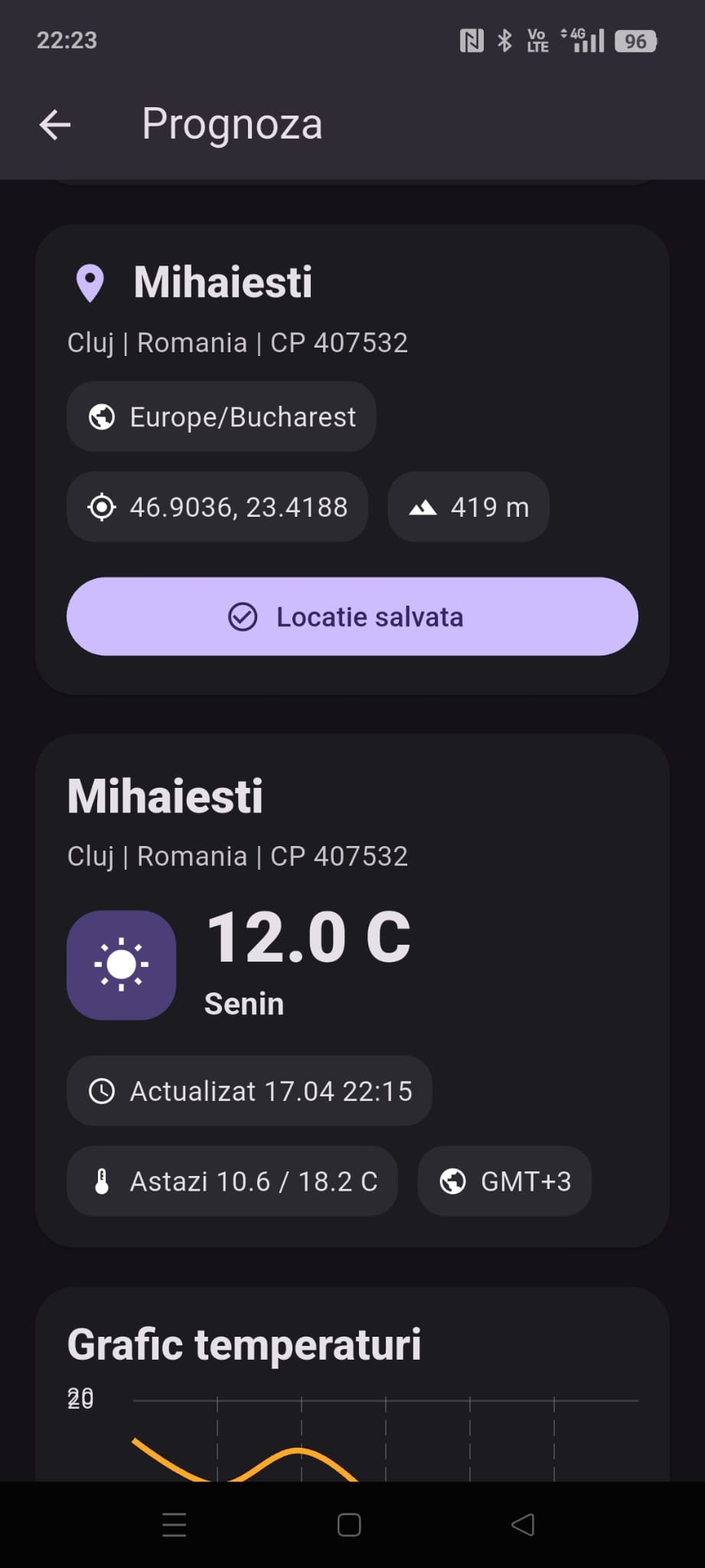
See temperature, cloud cover, humidity, and disease-relevant weather context for the next days directly inside the platform.
Users can submit images and notes, while AI Plant ID combines plant, insect, and crop-health identification with local context and history into clearer guidance for diseases, pests, stress, or nutrition problems. For phytosanitary alerts, AI translates risk into operational language without replacing specialists or product labels.
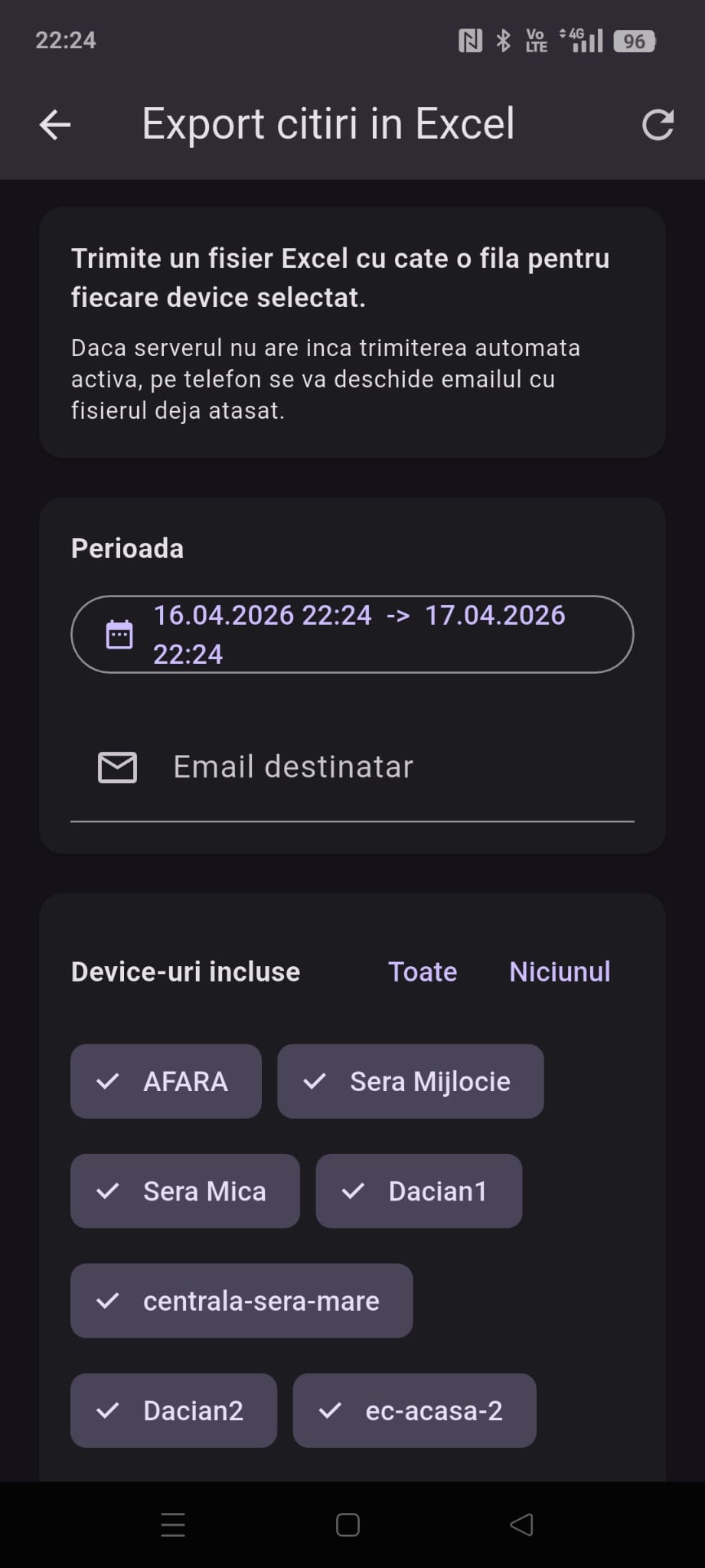
Track multiple crops in parallel, add categorized expenses, see cost per unit, sales, and profit, then send the Excel report directly by email. The dilution module complements daily greenhouse operations, while the VPD, light, DLI, alkalinity, fertilizer, and nutritional monitoring tools stay in the same workspace.
Invite colleagues, choose which devices each user can see, register any TTN-compatible LoRaWAN sensor directly from the app, or connect an existing TTN application by API and import the active devices into GrowGuard. For NB-IoT/LTE sensors, the user enters the IMEI and points the device to the GrowGuard TCP endpoint. For MQTT, GrowGuard generates a unique topic with a safety token, then interprets JSON payloads dynamically. For new models, AI can propose mappings for temperature, humidity, battery, EC, pH, or soil fields, only after user validation.
See sensors on a map, switch between standard and satellite layers, and save a device position only when the user explicitly chooses it. Phone location is not tracked continuously and is not used for advertising.
Administrators can leave each user with exactly the workflows they need: subscription, team, map, forecast, AI Plant ID, LoRaWAN/NB-IoT/MQTT sensors, orders, calculators, export, or specialty information.
Build the crop plan, choose the goal, review deviations against useful ranges, get GrowGuard AI recommendations, log scouting notes, create recurring tasks, and send quick email/PDF reports. Demo works partially without sensors; Premium adds live LoRaWAN, NB-IoT, and MQTT readings to the recommendations.
The sensor map, crop intelligence, AI Plant ID, AI-explained phytosanitary alerts, and payload mapping add operational context on top of raw field data.
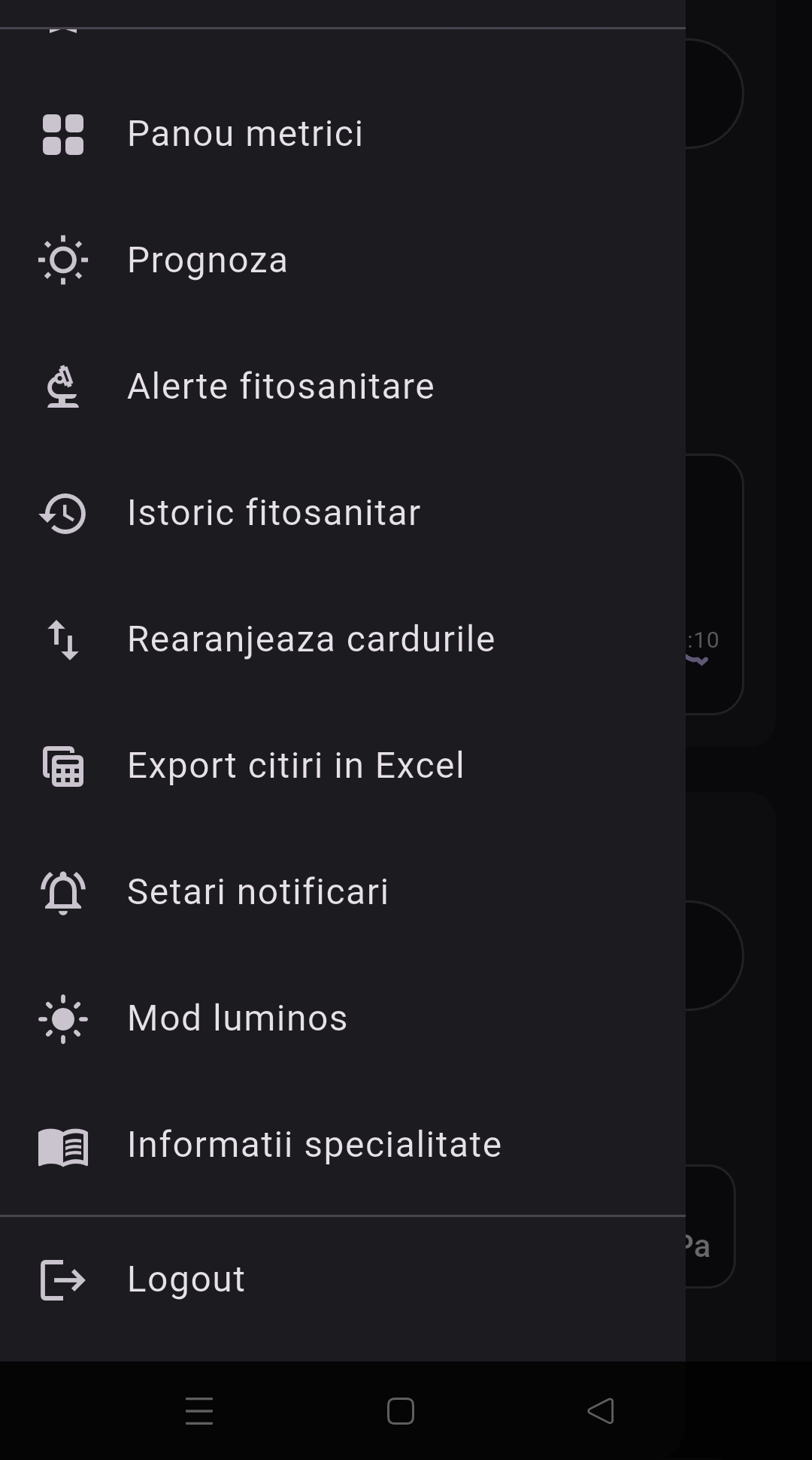
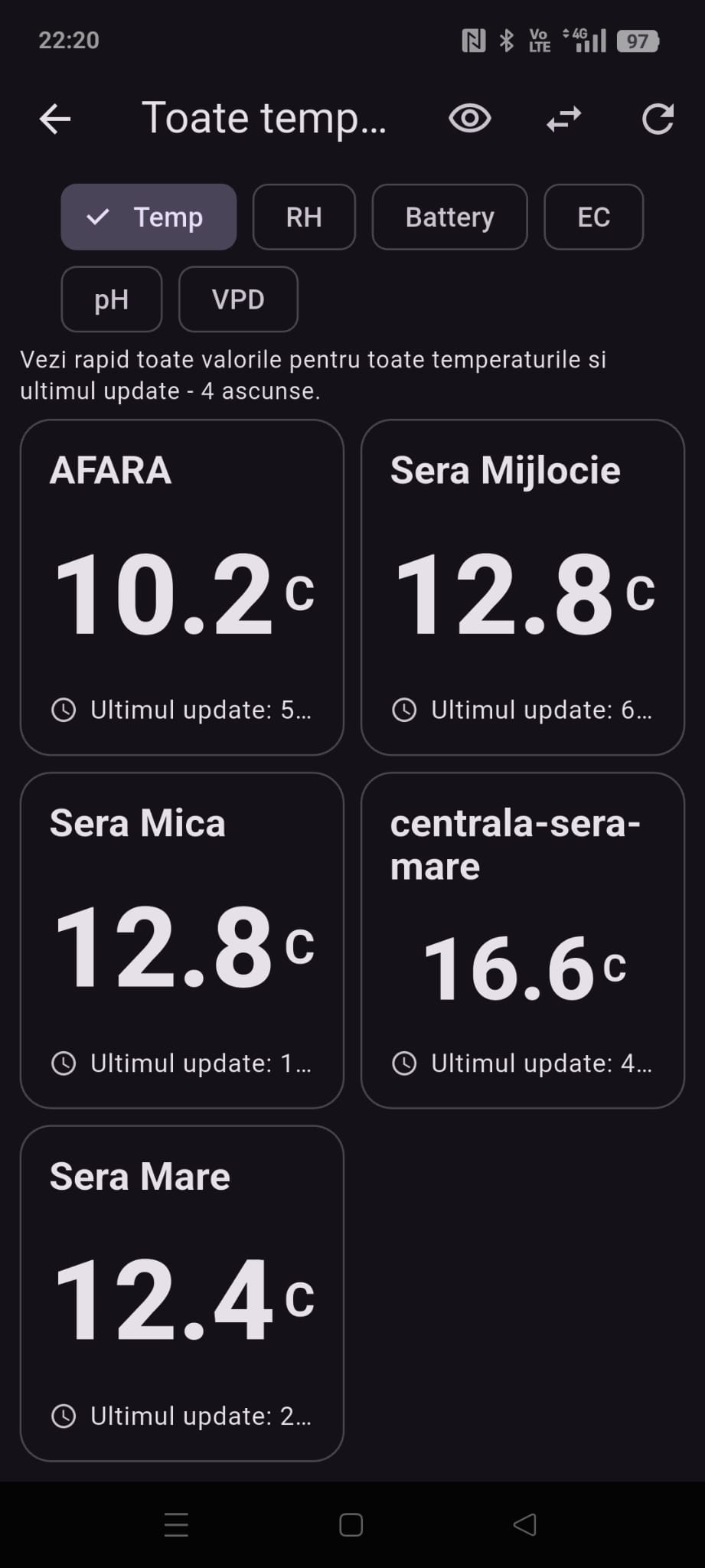
GrowGuard is up to date for team operations: Google sign-in, native subscriptions, sensor map, expanded AI Plant ID, and menu-level access control.
Visitors should understand the practical use: GrowGuard applies AI where it saves time and removes ambiguity. Disease-risk alerts get explanations, and sensor payloads can receive proposed mappings, always with human validation.
GrowGuard already models floriculture, vegetable crops, orchards, and vineyards differently so forecast, local sensors, and AI explanations for alerts can stay grounded in reality.
Supports Botrytis pressure, powdery mildew, root-zone stress, high humidity periods, and greenhouse microclimate stability.
Tracks downy mildew risk, fungal pressure, forecast windows, and the root environment that drives fertigation decisions.
Gives context for scab, fire blight, monilinia, and the humidity and drying cycles that matter in tree crops.
Supports grape downy mildew, powdery mildew, Botrytis on clusters, and weather-sensitive vineyard monitoring.
The Android, iOS, and web experience was designed for daily work: live dashboard, device detail, sensor map, charts, forecast, alerts, export, and administration.
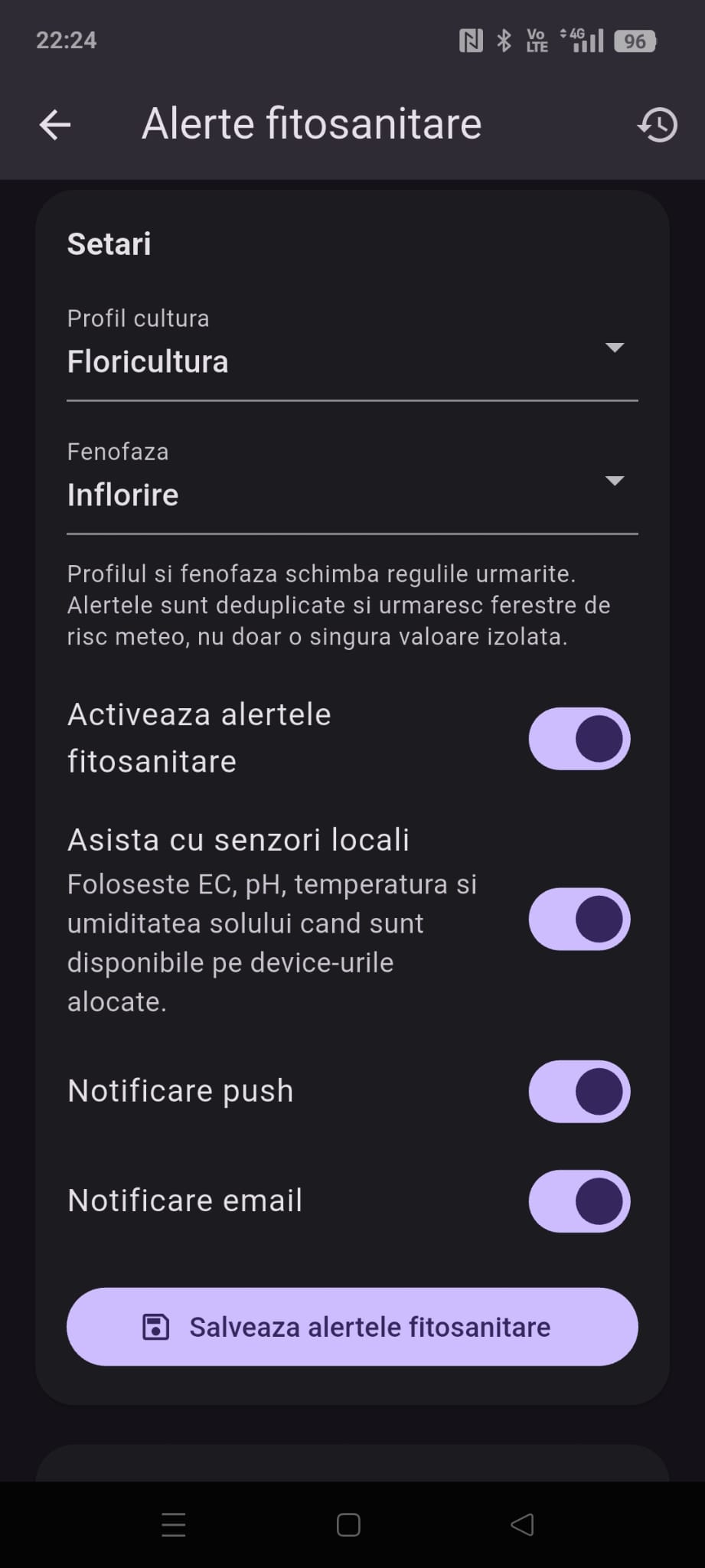
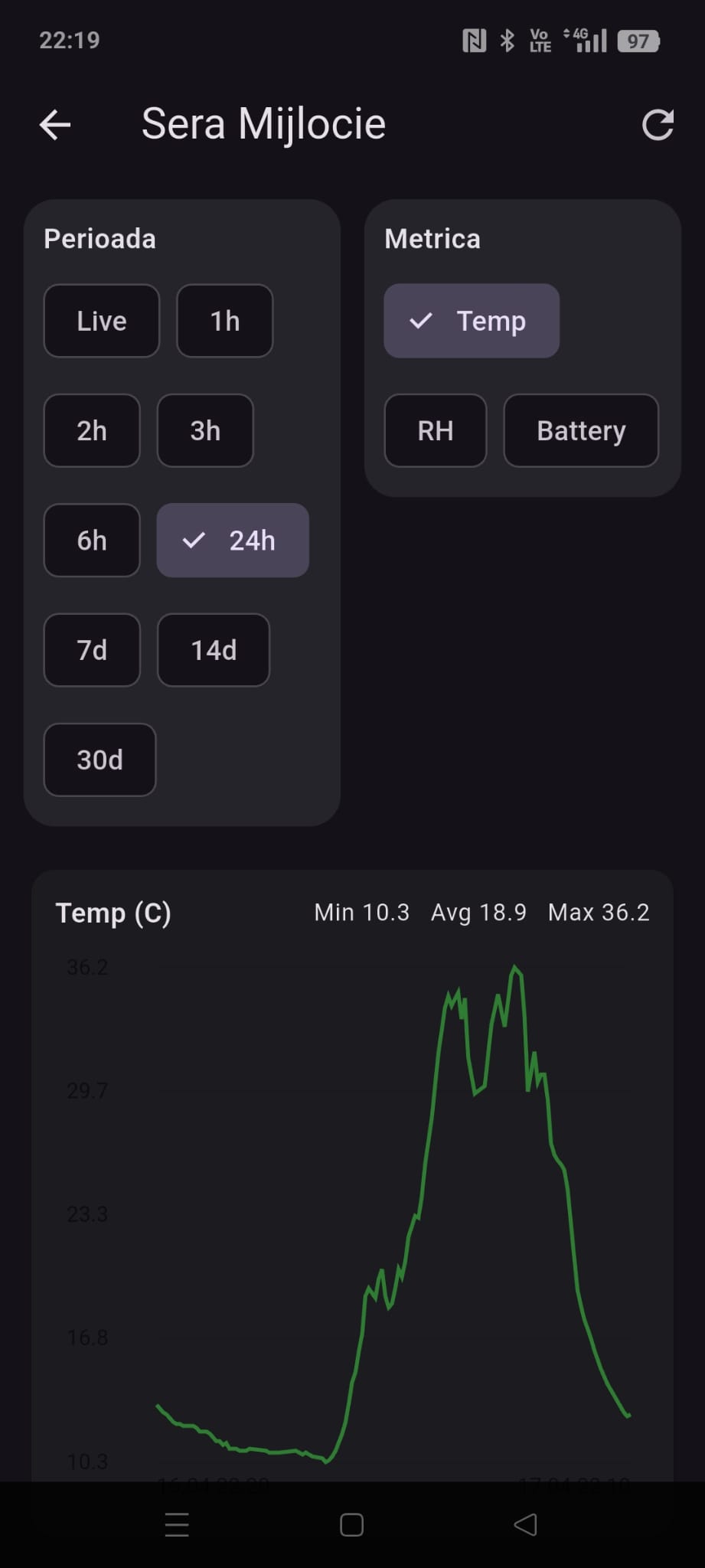
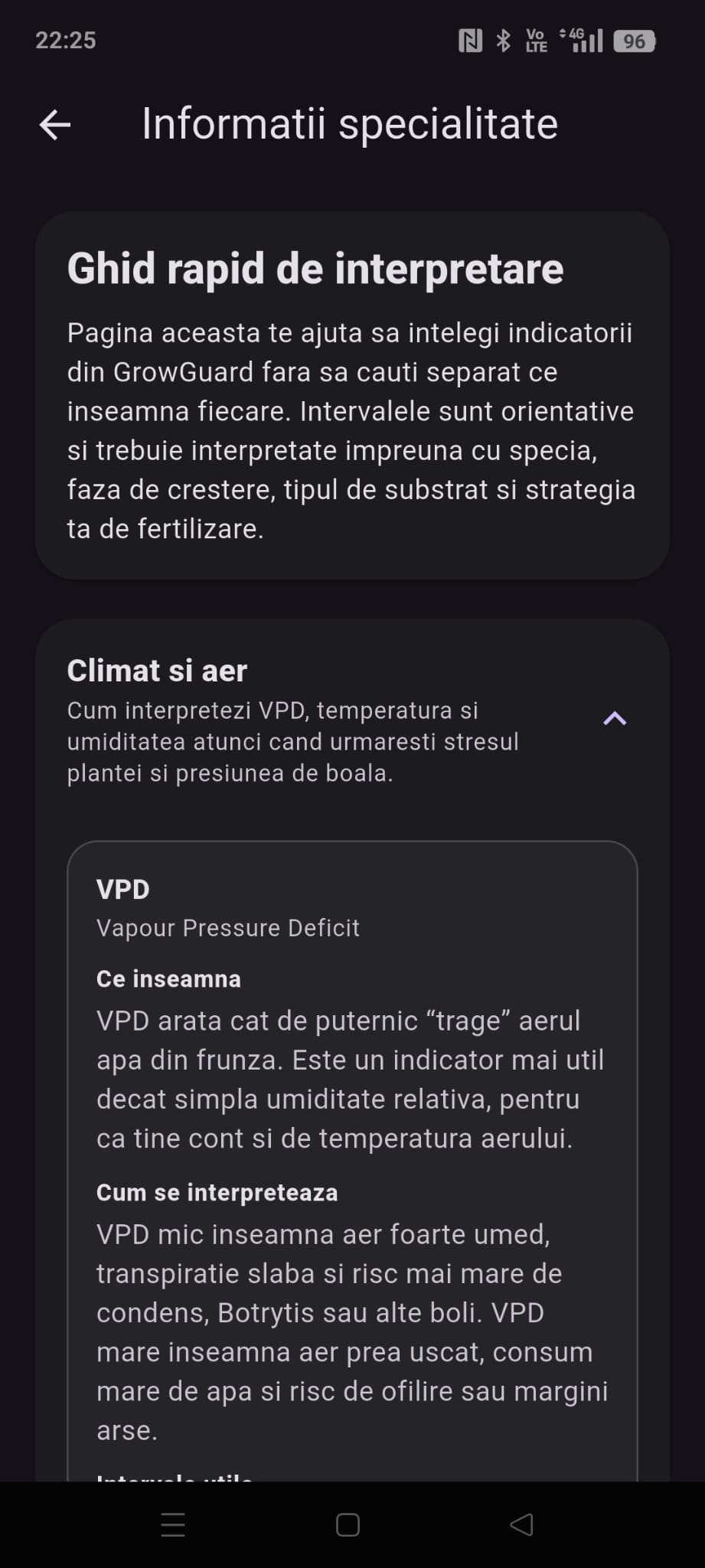
Every image below comes from the live GrowGuard product: device detail, forecast, Excel export, notifications, interpretation guides, phytosanitary modelling, and operational AI flows.
Open the platform if you are already inside the GrowGuard ecosystem, or use the shop to configure sensors, services, and plans for your next installation.